Invisalign® vs Braces Richmond, VA Choosing between Invisalign and traditional braces is one of the most common decisions for patients seeking orthodontic treatment in Richmond. Choosing between Invisalign and traditional braces is one of the most common decisions for patients seeking orthodontic treatment in Richmond. Both options are designed to straighten teeth, correct bite issues, and improve long-term oral health, but they differ significantly in appearance, comfort, daily lifestyle impact, and treatment approach. Understanding these differences helps patients make a confident and informed decision. Invisalign vs Braces — What’s the Real Difference?The main difference in Invisalign vs braces comes down to how each system moves teeth and how it fits into daily life. Invisalign uses a series of removable clear aligners that gradually shift teeth into proper alignment. These aligners are nearly invisible and are replaced periodically as treatment progresses. Traditional braces use fixed brackets and wires that are bonded to the teeth. These components are adjusted during in-office visits to guide teeth into the desired position. Both treatments are effective for correcting alignment, spacing, and bite concerns. However, the key differences lie in visibility, patient responsibility, and how much control the orthodontist has throughout treatment. For example, Invisalign aligners are changed every short interval as teeth move, while braces are adjusted during scheduled appointments to continue progress. Both require consistent monitoring by an orthodontic provider to ensure proper results. How Invisalign WorksUnderstanding how Invisalign works helps patients see why it is a popular choice for discreet orthodontic treatment. The process begins with digital scans of the teeth, which are used to create a precise 3D treatment plan. This plan maps out how teeth will gradually shift over time. A series of custom aligners is then created. Each set of aligners applies controlled pressure to move teeth step by step into alignment. Patients switch to new aligners periodically as their treatment progresses. Key aspects of Invisalign treatment include:
Consistent wear is essential, as aligners only work when they are in place. This makes patient discipline an important part of treatment success. How Traditional Braces WorkTraditional braces use a fixed system to move teeth gradually and continuously. Brackets are bonded directly to the teeth and connected by an archwire. The wire applies steady pressure, guiding teeth into proper alignment over time. During regular orthodontic visits, adjustments are made to continue progress. Braces remain in place throughout the entire treatment period and are effective for a wide range of orthodontic concerns, from mild spacing issues to complex bite corrections. Key features of braces include:
Because braces are always working, they do not rely on patient compliance in the same way as removable aligners. Appearance and Lifestyle DifferencesOne of the biggest factors in clear aligners vs braces is how each option affects appearance and daily routine. Invisalign aligners are nearly invisible, making them a discreet option for many patients. They can be removed for meals and special occasions, offering flexibility in social and professional settings. Braces are more visible due to brackets and wires, but they provide constant control without requiring patient management throughout the day. However, they do require dietary adjustments to avoid damaging the hardware.
Lifestyle and discipline play a major role in treatment success, especially for removable aligners. Comfort and Maintenance ComparisonComfort and oral hygiene are important considerations when comparing Invisalign comfort vs braces. Invisalign typically causes less irritation because there are no brackets or wires rubbing against the cheeks and gums. Some mild pressure may occur when switching to a new aligner set. Braces may cause temporary soreness after adjustments as teeth begin to shift. Some irritation of soft tissues can also occur as the mouth adapts to brackets and wires. Maintenance differences include:
Good oral hygiene is essential for both options to prevent staining, decay, or gum issues during treatment. 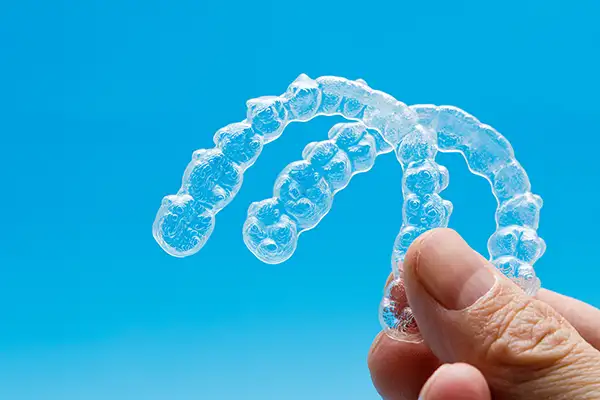 Which Conditions Invisalign and Braces Can TreatBoth Invisalign and braces can treat a wide range of orthodontic issues, but their effectiveness may vary depending on complexity. Common conditions treated include crowding, spacing, and bite misalignment. However, braces are often preferred for more complex cases due to their precision and control. Invisalign is generally effective for mild to moderate alignment concerns, while braces can handle more advanced orthodontic corrections.
A professional evaluation is necessary to determine which option best fits individual needs. Treatment Time Differences Between Invisalign and BracesTreatment duration for orthodontic treatment length comparison depends on the complexity of the case and patient compliance. Invisalign treatment time is highly dependent on how consistently aligners are worn. Failure to wear them as directed can extend treatment duration. Braces work continuously because they are fixed in place, which means progress is not affected by patient removal or compliance. Key timing factors include:
While timelines vary widely, both treatments require regular monitoring to ensure steady progress. Cost Considerations and Insurance Coverage in Richmond, VACosts for orthodontic treatment vary based on complexity, duration, and individual treatment needs. In many cases, Invisalign and braces fall within similar overall investment ranges, depending on the specific case. Insurance coverage for orthodontic care varies by plan. Some policies may contribute toward both Invisalign and braces, while others may have specific limitations or coverage differences. Important considerations include:
Patients should verify orthodontic benefits with their insurance provider before beginning treatment, as coverage details can vary widely. Invisalign vs Braces — Which Option Is Right for You?Choosing between Invisalign and braces depends on clinical needs, lifestyle preferences, and treatment goals. Invisalign is often preferred by patients seeking a more discreet and flexible option, especially for mild to moderate alignment issues. Braces are typically recommended for more complex orthodontic cases that require precise and continuous control. Key decision factors include:
Ultimately, a professional orthodontic evaluation is necessary to determine the most effective treatment option for each individual case. |
Riverwind DentalDr. T. James Dix Dr. Justin Mure (804) 280-08532821 N Parham Rd #102 Richmond, VA 23294-4412 |


